
Updated October 28, 2026
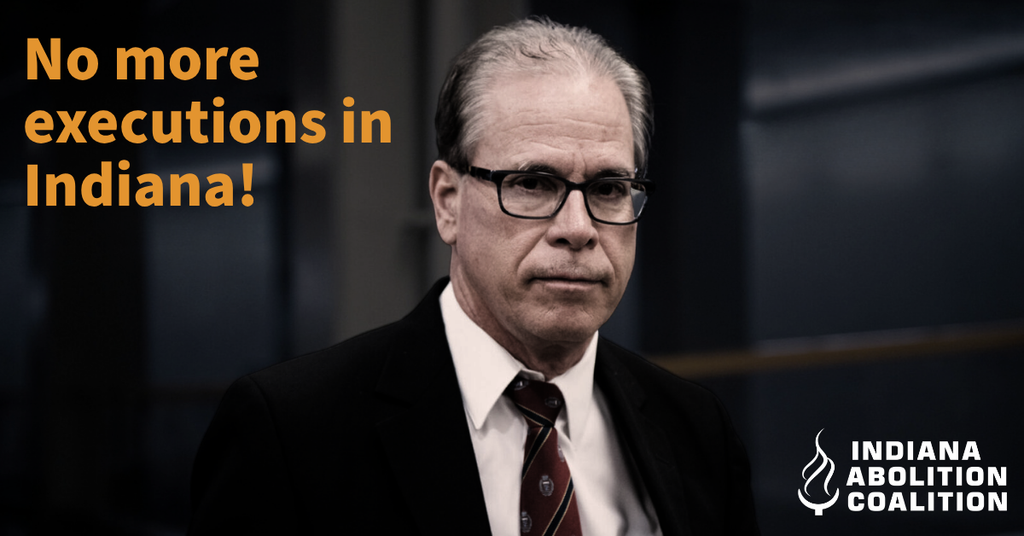
Jeffrey Weisheit is scheduled to be executed by lethal injection on November 5, 2026, before sunrise. He faces punishment for the tragic events of April 2010, when he murdered Alyssa Lynch, age eight, and Caleb Lynch, age five. Mr. Weisheit’s application for clemency was denied by the Indiana Parole Board, but Governor Mike Braun has the final say in whether Ward is to be executed.
Clemency is a constitutional safeguard that recognizes no system of human judgment is infallible. It exists to ensure that justice does not end simply because judicial review has run its course. In the case of Mr. Weisheit, clemency is not only appropriate but necessary in light of the extraordinary circumstances surrounding his sentence and the substantial issues that have not yet been fully presented.
More information about Jeffrey Weisheit’s case for clemency
- Mr. Weisheit’s alarming mental-health and neurological history raises questions of whether he should be constitutionally prohibited from being executed. The Eighth Amendment prohibits the execution of someone who is incompetent, unaware of their impending execution, or lacking the capacity to understand the reasons for it. Examinations have shown that Mr. Weisheit has had acute and severe psychiatric deterioration while incarcerated, and there are unresolved questions concerning his significant brain dysfunction. His attorneys have identified brain imaging tools and expert analysis that could address these questions, but the courts have thus far denied them access.
- A jury never heard the extent of Mr. Weisheit’s mental illness or his history of head trauma. The jury heard that he had been diagnosed with bipolar disorder and had some history of mental-health problems, but it did not hear the full evidence of his childhood psychiatric treatment, a documented psychotic break, or the multiple traumatic brain injuries that experts said could have impaired judgment, self-regulation, and impulse control and exacerbated his bipolar disorder. The American Bar Association has recognized that severe mental illness and traumatic brain injury can be relevant to whether a person should face the death penalty, underscoring the importance of considering the full extent of Mr. Weisheit’s mental illness and brain injuries before carrying out his sentence.
- Mr. Weisheit’s lawyers – both at trial and during his appeals – were ineffective and inadequate. His defense team was repeatedly disrupted by serious health crises: one lawyer suffered a major heart attack, another was battling advanced cancer and died during the case, and a third became so ill during the penalty phase that he could not perform the witness examinations he had prepared. These circumstances, combined with the team’s lack of experience and internal conflicts, severely undermined their ability to provide Mr. Weisheit with an adequate defense.
- Extraordinary circumstances compromised Mr. Weisheit’s ability to have a full and fair appeals process. The COVID-19 pandemic severely limited his attorneys’ ability to investigate and develop his case. A major change in federal law also prevented his attorneys from presenting important evidence that they had expected to develop in federal court. In addition, Mr. Weisheit’s acute mental-health crisis left him largely unable to assist his attorneys. Together, these circumstances left significant constitutional claims and evidence inadequately developed during his appeals.
- Mr. Weisheit has been given an extraordinarily short period to prepare for clemency. Unlike other people in Indiana executed since 2024, who had more than eight years between the end of their federal appeals and their executions, Mr. Weisheit was given just weeks to prepare after his federal appeals ended. This rushed timeline leaves inadequate time to fully investigate his case, develop a clemency petition, and meaningfully consider whether mercy is warranted.